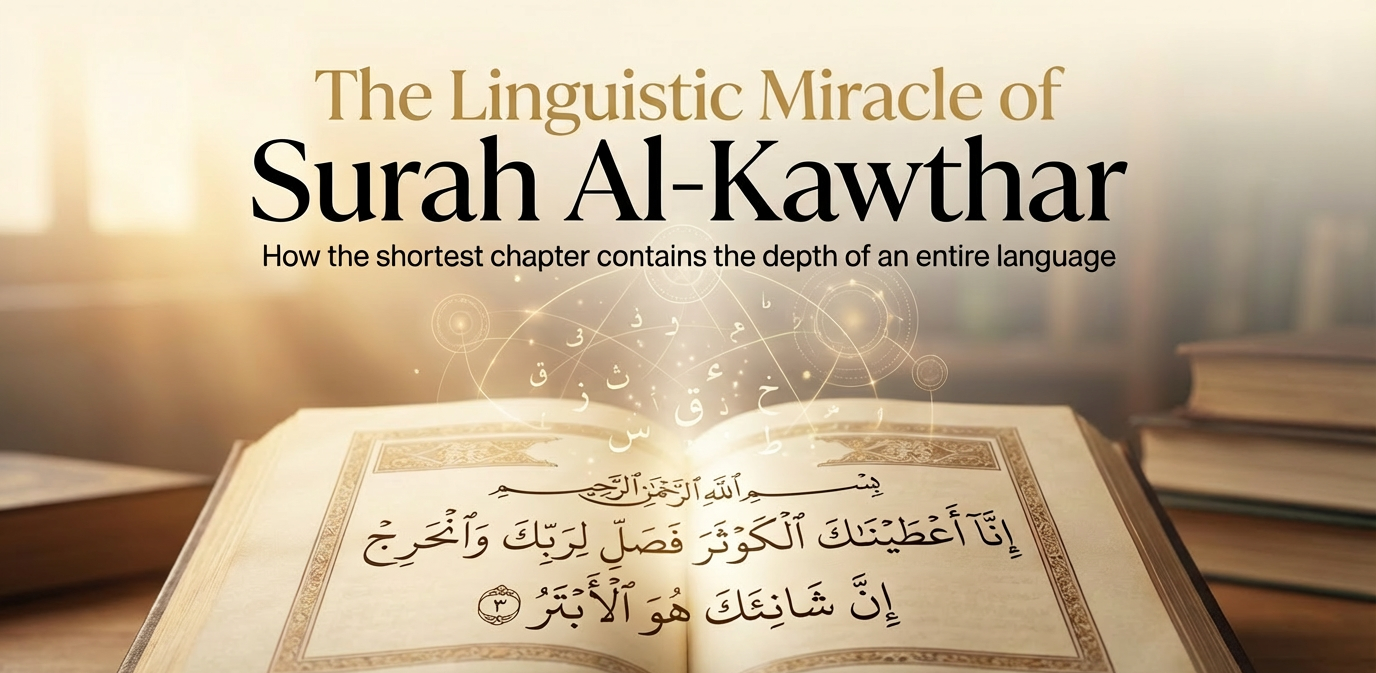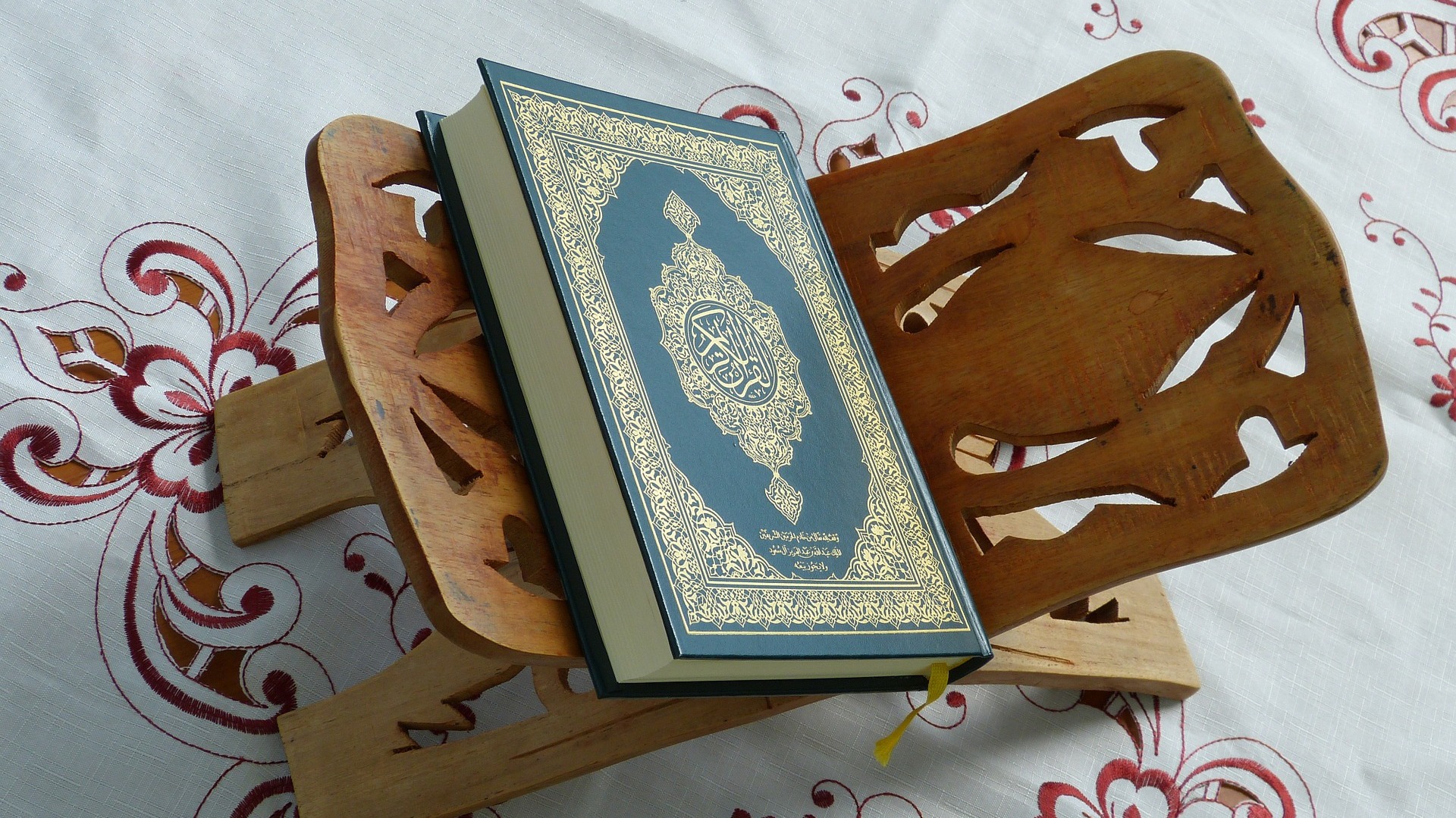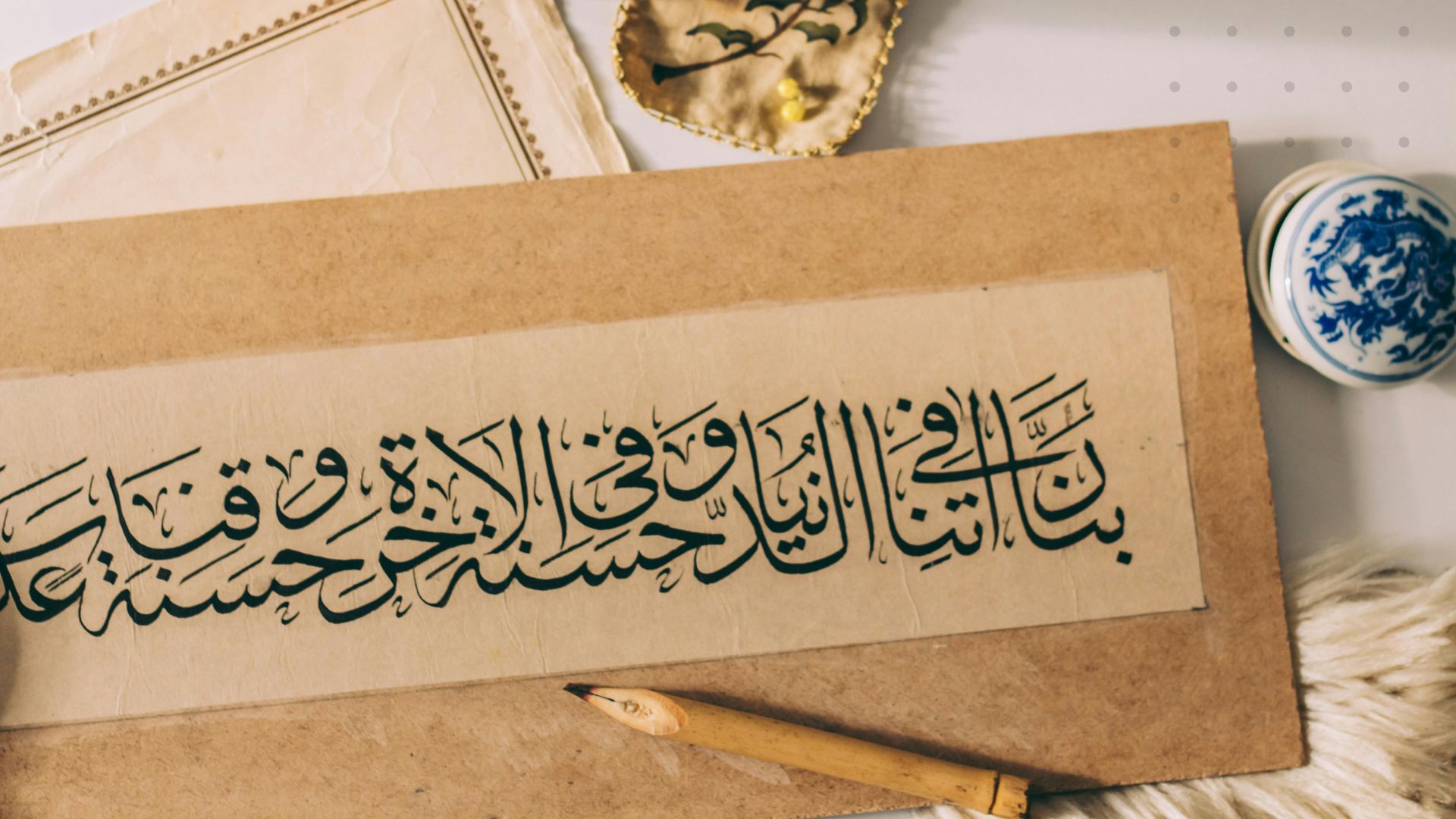
The Art of Beautiful Writing
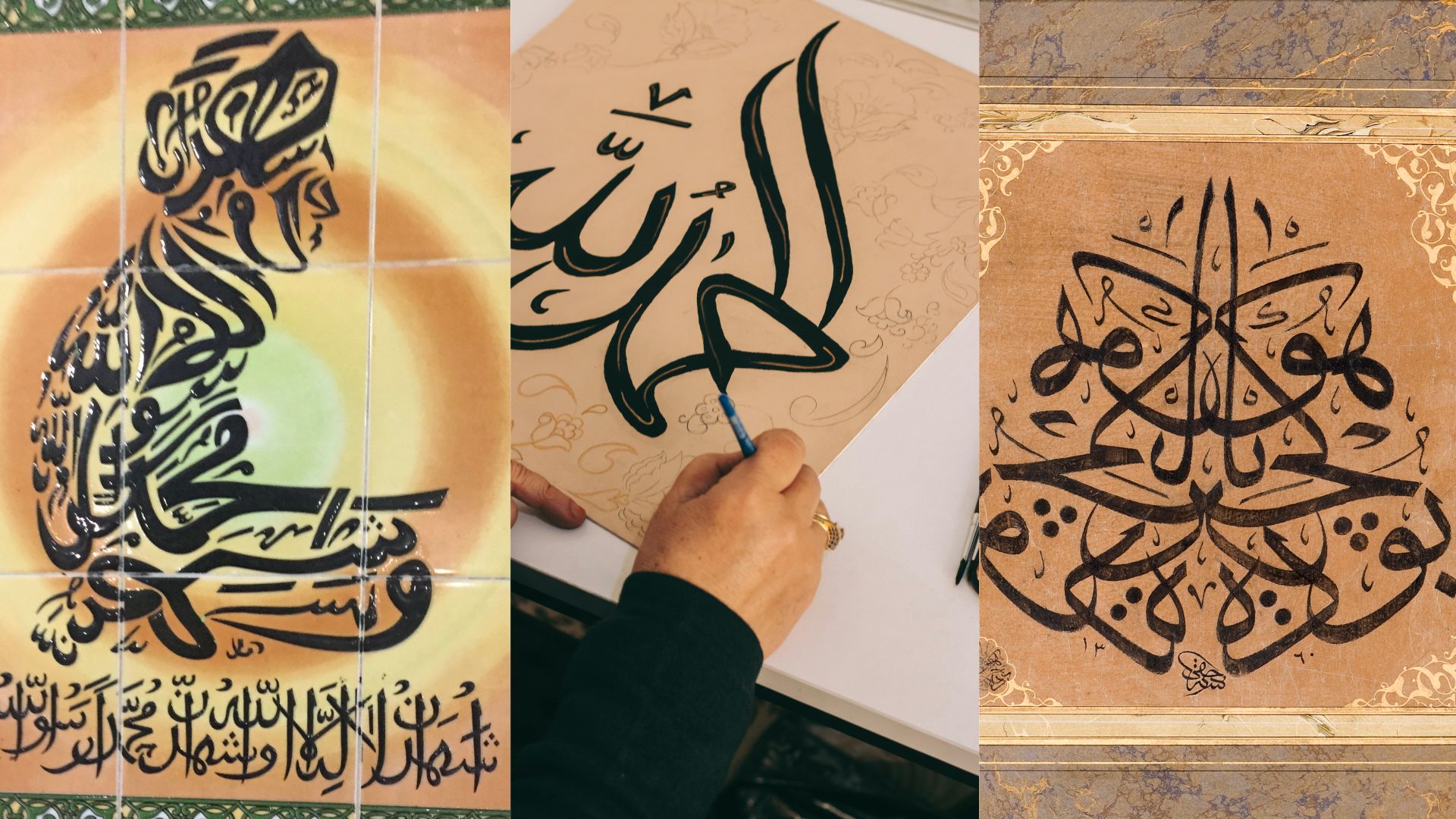
Arabic calligraphy—known as Khatt—is far more than artistic handwriting. For over 1,400 years, it has served as a visual expression of the Qur’anic revelation, blending spirituality, geometry, and artistic mastery into one timeless tradition. In Islamic culture, calligraphy stands as one of the most honored art forms, symbolizing both devotion and beauty.
A Rich Historical Legacy
From the earliest Qur’anic manuscripts to the magnificent inscriptions adorning mosques and palaces, Arabic calligraphy has played a central role in preserving Islamic heritage. Early Muslims relied on calligraphy not only to record the divine message but also to meditate spiritually through the act of writing. Each stroke and curve carried intentionality, discipline, and reverence.
Major Calligraphic Styles
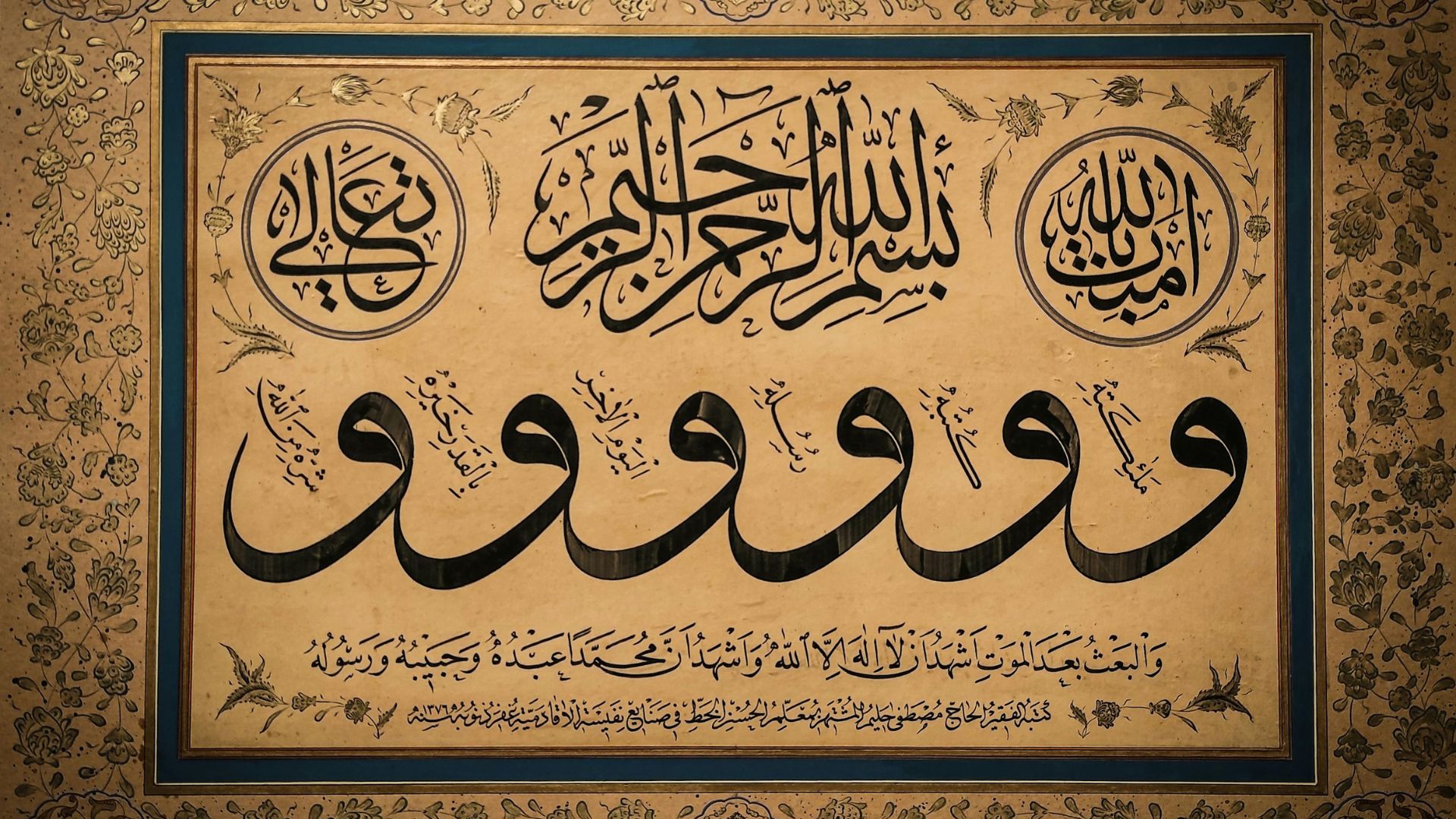
Arabic calligraphy developed into several distinct styles, each with its own personality and purpose:
- Kufic – The earliest style, known for its geometric, angular shapes and architectural presence.
- Naskh – Clear, balanced, and highly readable; the most common script used in Qur'an printing.
- Thuluth – Elegant, curved, and visually dynamic—often used in decorative art and monumental designs.
- Diwani – Ornate and intricate, developed during the Ottoman era for royal correspondence.
These styles reflect the diversity and evolution of Islamic artistic expression across centuries and cultures.
Learning Arabic Calligraphy Today
Despite its ancient roots, Arabic calligraphy continues to flourish. Modern learners explore this art through structured practice, guided instruction, and an appreciation of its spiritual depth. Studying calligraphy enhances one’s understanding of Arabic language rhythms, geometry, and cultural aesthetics.
At Zajel Institute, we believe that learning the visual beauty of Arabic enriches the student’s linguistic journey and deepens their connection with Islamic heritage. Through our Arabic language and Islamic studies programs, students gain a fuller appreciation of the culture, history, and artistry behind the language.
Start Your Learning Journey
If you’re inspired by the beauty of Arabic calligraphy or wish to deepen your understanding of the Arabic and Islamic tradition, explore our programs at Zajel Institute.
🌐 Visit: zajelarabic.com/courses
📩 Join our courses and take the next step in your learning journey.